




NAVER TwinXR Platform: Bridging Online and Offline with Spatial Intelligence
NAVER TwinXR Platform: Bridging Online and Offline with Spatial Intelligence
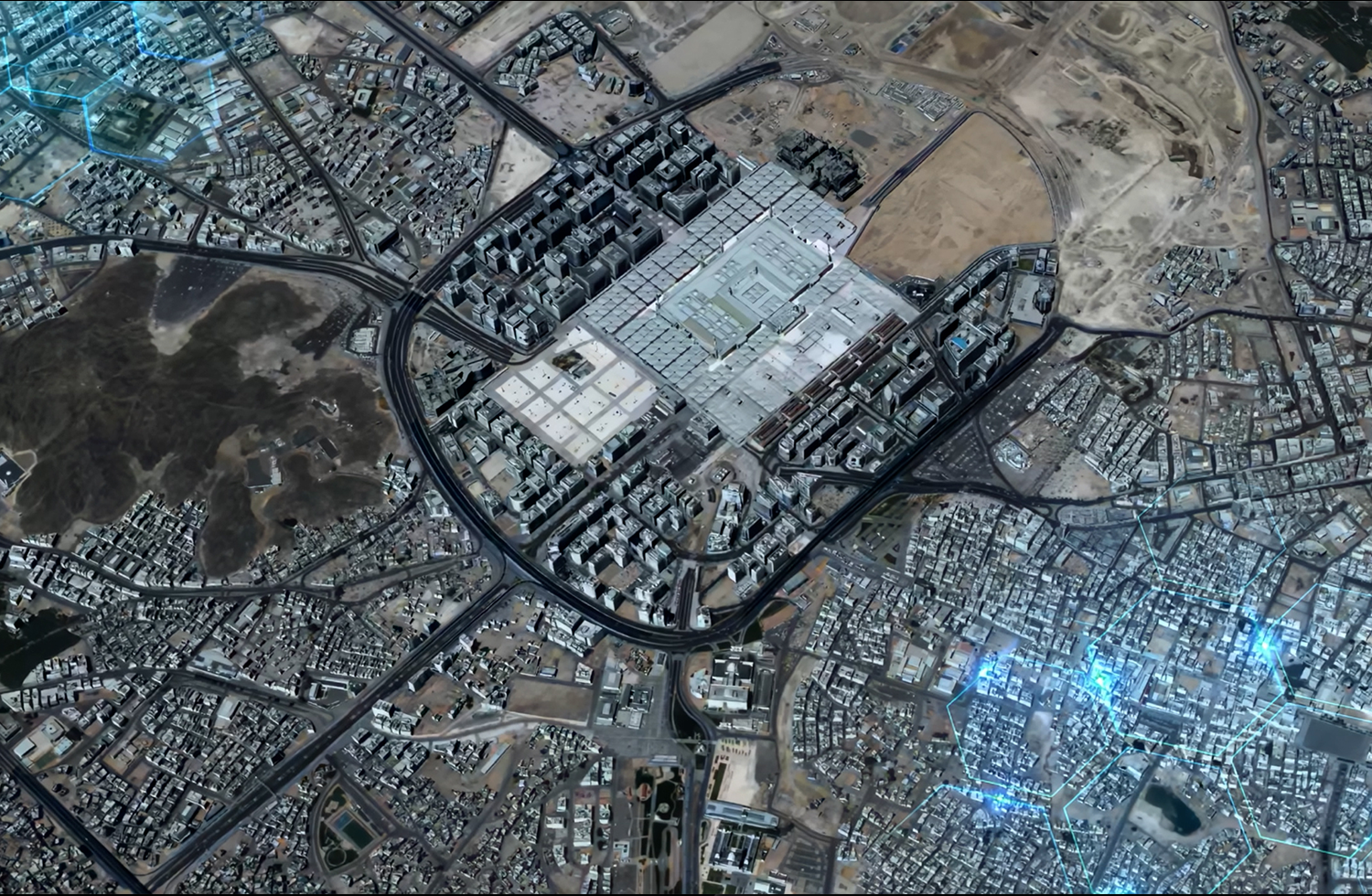
What exactly is spatial intelligence? Imagine space as an infinite world of data, and spatial intelligence as the tool we use to explore and connect that world. This concept isn’t so different from NAVER’s online searches and services; we’re just expanding into the physical world.
NAVER LABS has been developing spatial intelligence across digital twin technology, AI, cloud technology, AR/VR, robotics, and autonomous driving, achieving impressive milestones along the way. Integrating these technologies and data has resulted in NAVER TwinXR Platform. Let’s start by watching a short introductory video to learn more about the platform.
A Spatial Intelligence Platform for Everyone
NAVER TwinXR Platform comprises several key components:
.png)
• ALIKE Solution: A key technology for creating 3D models of various urban spaces. Through AI, aerial imagery, and a range of mapping devices, it rapidly constructs 3D spatial data for objects, indoor and outdoor spaces, and even entire cities.
• ARC eye: NAVER’s AI-based indoor/outdoor localization technology that provides precise location data even in indoor environments where GPS doesn’t work, making it essential for autonomous driving, AR/VR, and robotics services.
• NAVER Cloud Platform: A secure, cloud-based system for managing large-scale data, providing reliable data processing and storage for major projects.
• Mapping Devices: The M, T, R, and P series mapping devices are purpose-built for indoor and outdoor environments, collecting essential 3D data needed to build digital twins across various spaces.
• Creation and Management Tools: A suite of tools that includes digital-twin editing software, AR/3D content creation and editing tools, mobile mapping apps, VR tour blueprints and video tools, and an object-tracking SDK.
• Advanced Spatial Intelligence Technologies: Research teams at NAVER LABS in Korea and Europe are constantly incorporating the latest AI advancements to ensure that the platform remains on the cutting edge.
These key technologies are designed to support a wide range of applications:
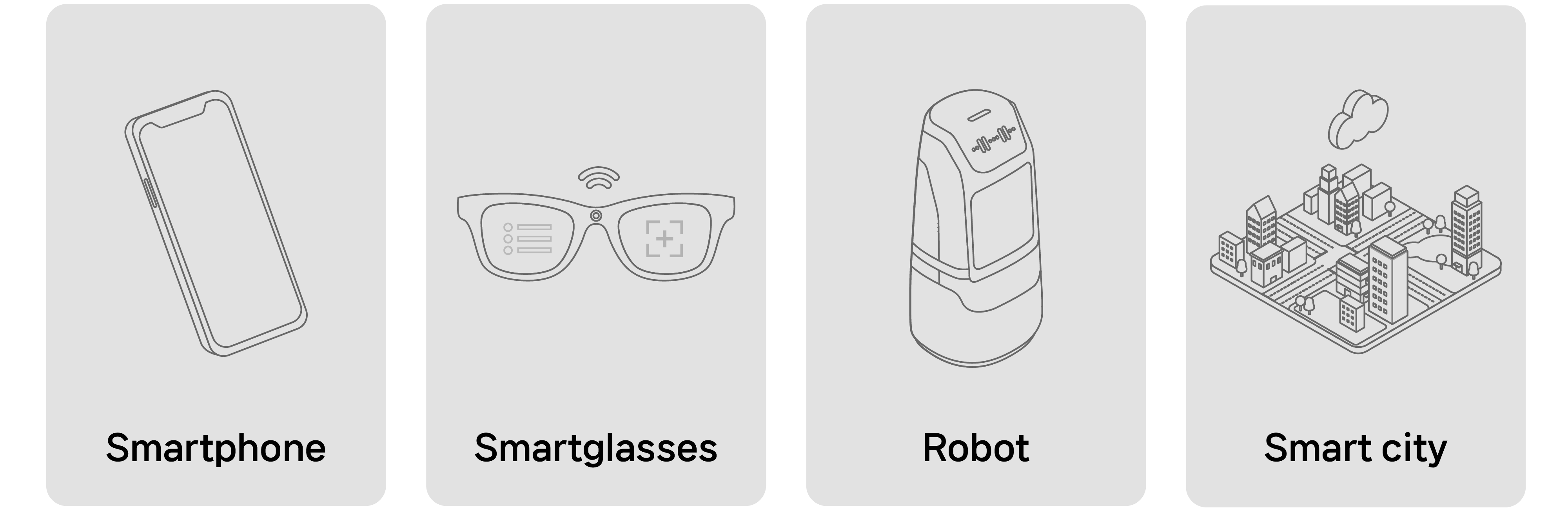
• AR/VR/MR Services: By providing digital twin data and positioning technology, the platform enables immersive AR/VR/MR experiences on devices like smartphones and smart glasses, creating new user experiences.
• Robotics and Autonomous Driving: The platform supports robots and autonomous vehicles with real-time positioning data and advanced spatial intelligence, allowing them to navigate smoothly across a wide variety of environments.
• Smart Buildings and Smart Cities: The platform helps collect and analyze data essential for managing building and urban infrastructure, playing a crucial role in the development of smart buildings and cities.
• VFX (Visual Effects): The platform allows for the creation of virtual environments in industries like movies and gaming, offering large-scale 3D models and creative flexibility in virtual spaces and thereby unlocking new possibilities in content production and planning.
As you can see, spatial intelligence technology includes numerous components and applications. One of the biggest strengths of NAVER TwinXR Platform is its flexibility in meeting the diverse technical requirements of various industries through a single platform.
The Future of Innovation Starts with Spatial Intelligence
In October of 2024, global market research firm Gartner identified spatial intelligence (spatial computing) as one of the top strategic technology trends, predicting the market to reach $1.7 trillion by 2033. Spatial intelligence has already emerged as a major global tech trend, following closely behind language models. Moving forward, NAVER TwinXR Platform will collaborate with partners worldwide to create innovative services that seamlessly bridge the virtual and physical worlds through spatial intelligence.