



Meanings beyond technology
Meanings beyond technology
NAVER LABS | Tech | Kim Soo-jung
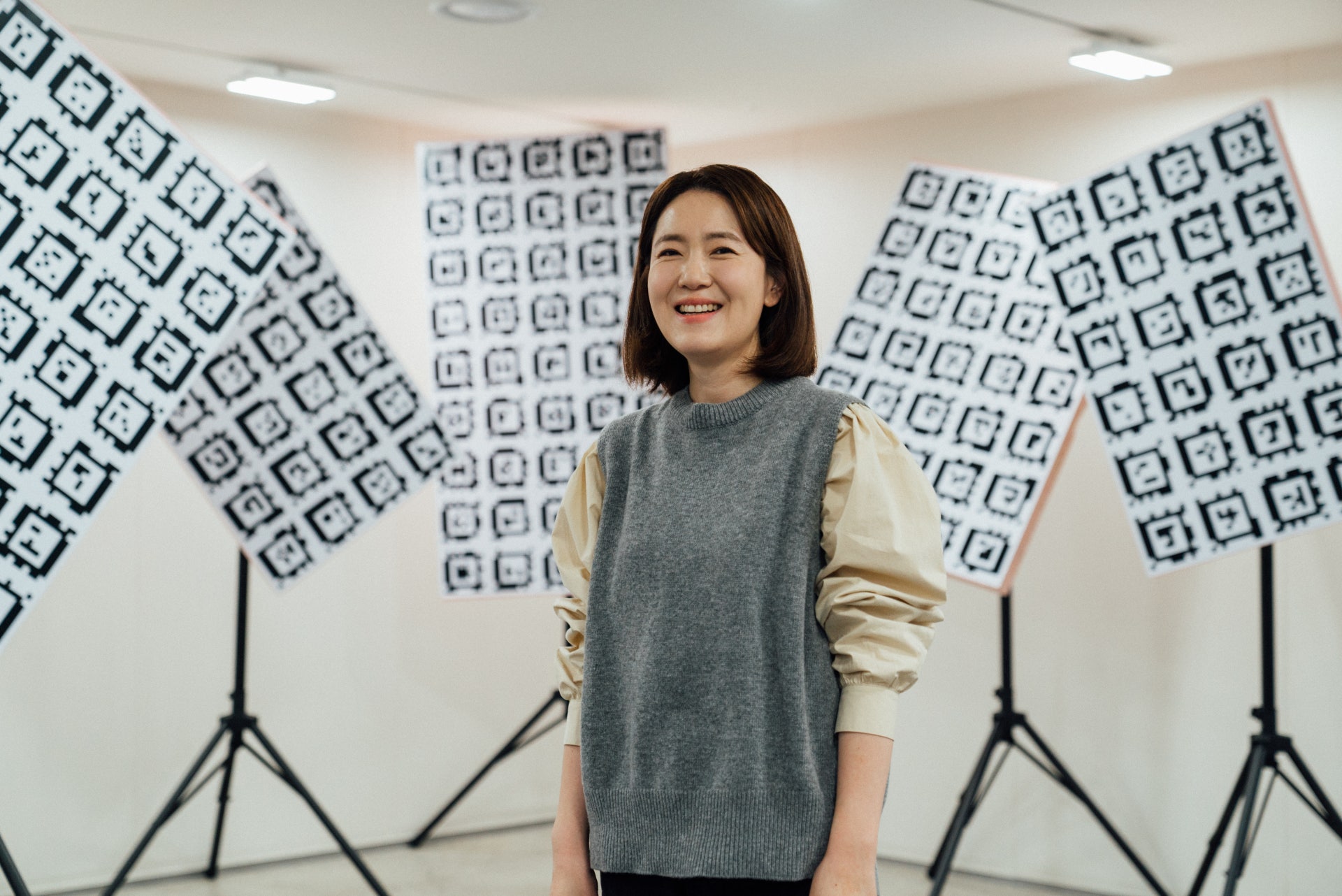
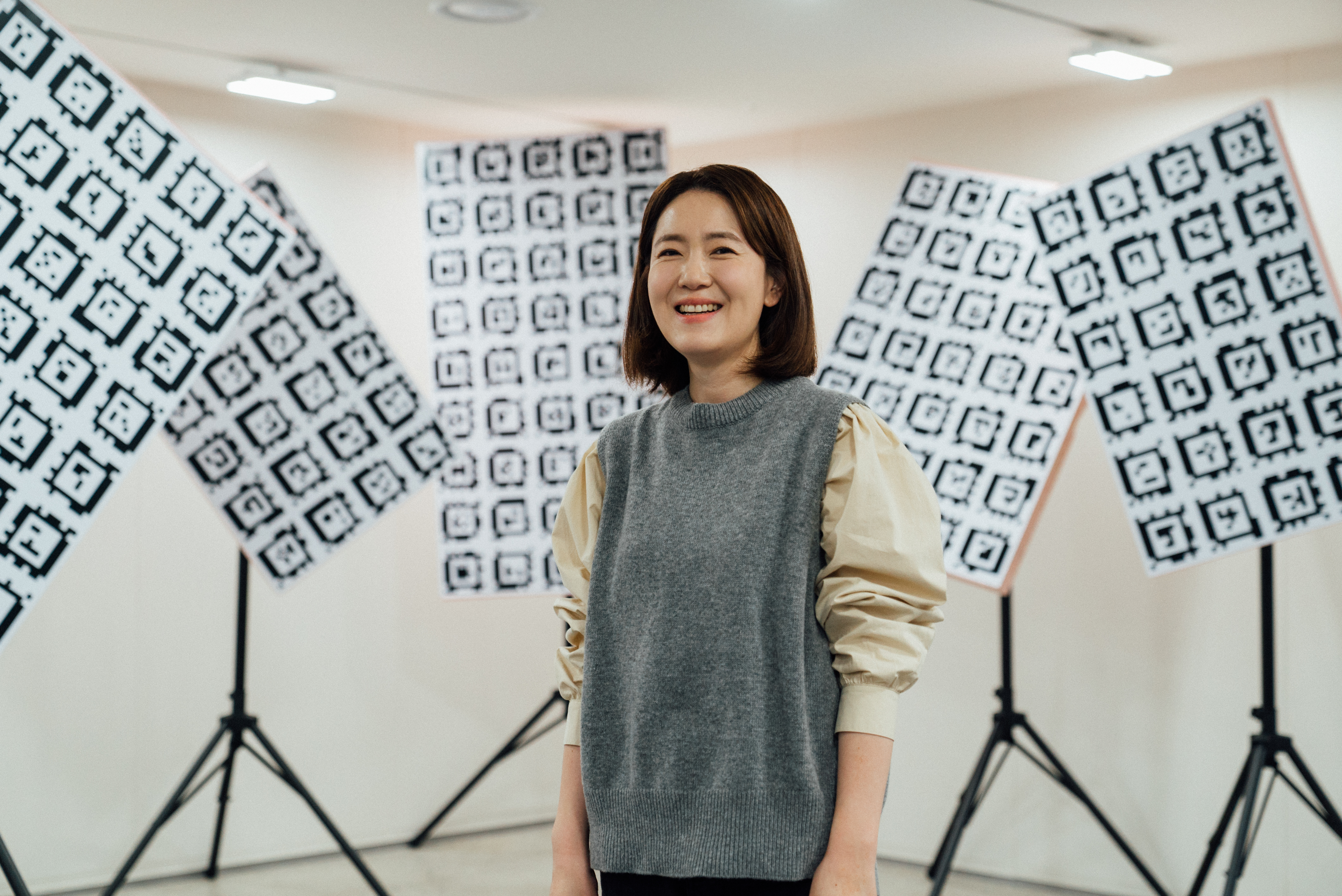
Kim Soo-jung has eight years of experience working as a developer at NAVER LABS, starting from the company's inception of autonomous driving research. Ever since NAVER LABS obtained the first temporary permit for autonomous driving in the domestic IT industry, she has steadily gained experience in developing the company’s own core technologies. Her research roadmap extends beyond the scope of vehicle movement technology; it encompasses the broader world. Currently, her team's primary focus is advancing the digital twin technology (replicating the real world in a digital form) developed for autonomous vehicles to be used for practical applications for humans as well. This includes integrating autonomous driving maps into regular navigation systems to provide precise lane-level guidance and using large city-level digital twins for disaster simulations, enabling the preparation of events such as heavy rain or heat waves. "I firmly believe that the technology we initiated with autonomous driving can transform daily life." As a member of the autonomous driving team, this is the reason why she thinks about going beyond vehicles and expanding the application of these technologies so that they can benefit humans.
You’ve been working at NAVER LABS since the beginning of its autonomous driving research. Tell us more about this journey.
During my Ph.D. program, I conducted research on 3D vision, which means reconstruction of 3D information from two or multiple images. I had a strong desire to work in a place where I could generate my own data and use that data for various purposes, rather than being based in a manufacturing company. When I first joined the company, deep learning was emerging, and I believed that data, which is the core of deep learning, would become crucial in all fields. I considered autonomous driving to be no exception, which is why I decided to join NAVER LABS.
Tell us about your current task in the On-Road Intelligence team.
We are currently researching ways to leverage autonomous driving technology not only for vehicles but also for services that benefit humans. Our team has been advancing autonomous driving technology by digitizing physical spaces and developing exceptional technologies that can recognize various environments on the road. Among those technologies, there are many valuable ones that could be used beyond autonomous driving. One of them is the "digital twin," a three-dimensional reconstruction of urban areas obtained during the process of generating maps for autonomous driving. It provides digitalized data of the real world, including lane-level road information and the surrounding environment, which is required for autonomous driving. We believe that this data can be incredibly useful not only for autonomous driving but also for services catering to humans, and we are actively researching the directions for its usage.
Please tell us more about how digital twin technology can be used in services to benefit humans.
Let me share some examples. Meticulously constructed map data at the lane level can be used in the AR navigation system within vehicles to provide lane-level route guidance in complex urban road environments. Additionally, through 3D geographic information, digital twin technology can be used to anticipate and prepare for flood-prone areas in case of heavy rainfalls. Furthermore, the technology can also provide information on unexplored areas in advance by offering immersive 3D views.
Do you have a particular habit or routine that comes with the job?
Since I'm researching autonomous driving technology, at times when I look out at the road from my living room, my attention is constantly drawn to things like road markers or lanes. And the same when I go outside. Additionally, as we are currently researching technologies that utilize digital twin data to create immersive virtual worlds that would make people feel like they are in a real 3D space, wherever I go, I find myself instinctively scanning and thinking, "This place would look great if it were built in 3D, while this place might not have much impact." It has become a professional habit stemming from my work, and I think all of our team members would share similar experiences.
If you were given a long vacation, what would you like to do?
Personally, I would like to read a wide variety of books, even if they are not directly related to my current work. This stems from my aspiration to observe the world. While I have spent a long time studying and delving deep into a specific field, venturing out into the world made me realize how diverse the world is. After witnessing this, I came to strongly believe that while researching the technologies themselves is undoubtedly important, understanding the diverse aspects of the world is also crucial to apply those technologies in real life. That's why I am eager to read lots of books and explore the various facets of the world.
