



UX designer that found passion in user experience while studying neuroscience
UX designer that found passion in user experience while studying neuroscience
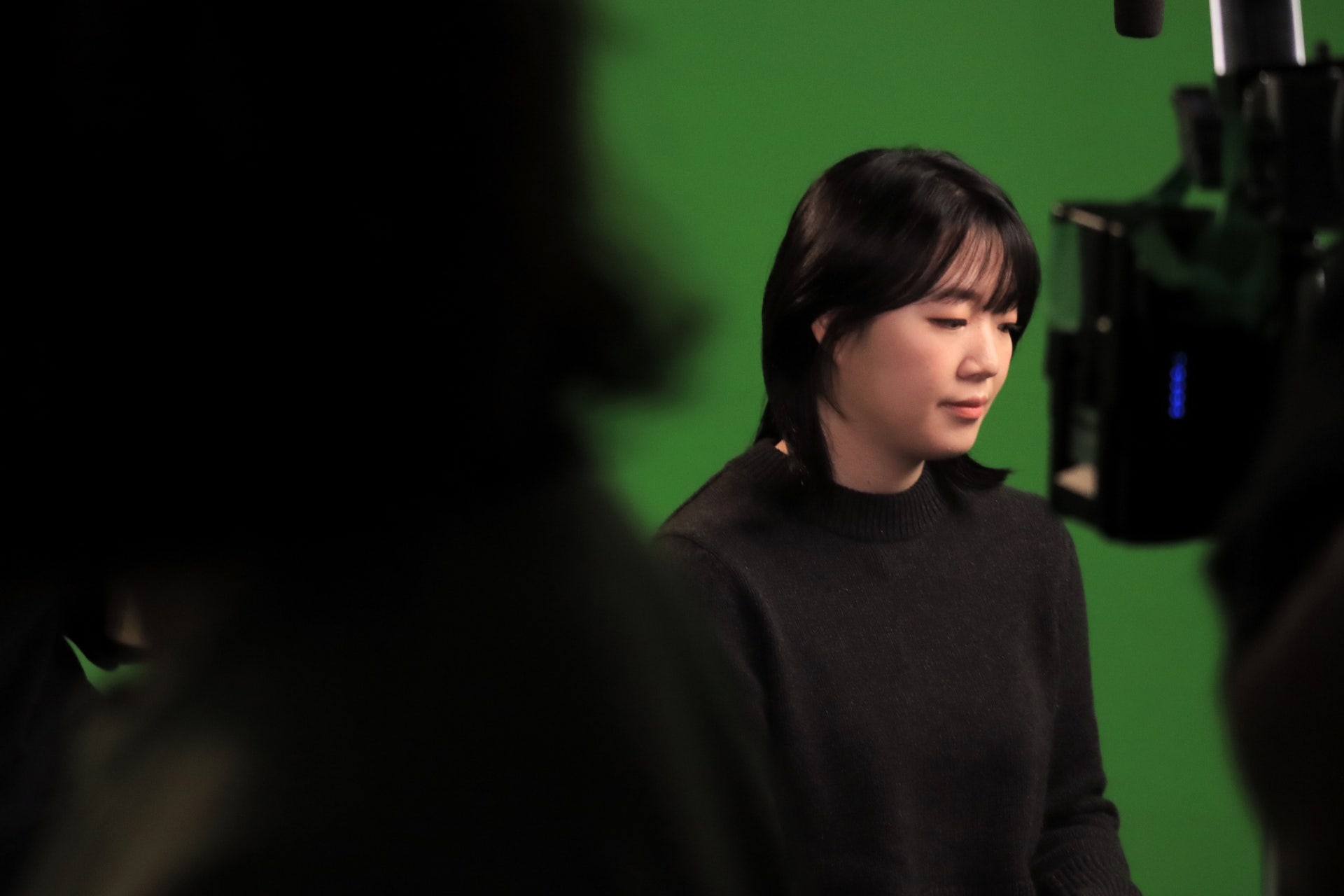
“What is more important than your major is your perspective on things. I believe when people with different backgrounds come together, opportunities for new perspectives open up.”
Do-hee Kim, a UX designer at NAVER FINANCIAL, was studying neuroscience as an undergraduate student when she found her passion for arts and design on an exchange program to Berlin, which kickstarted her journey as a designer. When designing a service, Do-hee relentlessly asks herself, “Are my designs user-centric? Is this the right thing to do for the users?” as the memo on her desk reminds her to do. Read on to find out more about Do-hee.
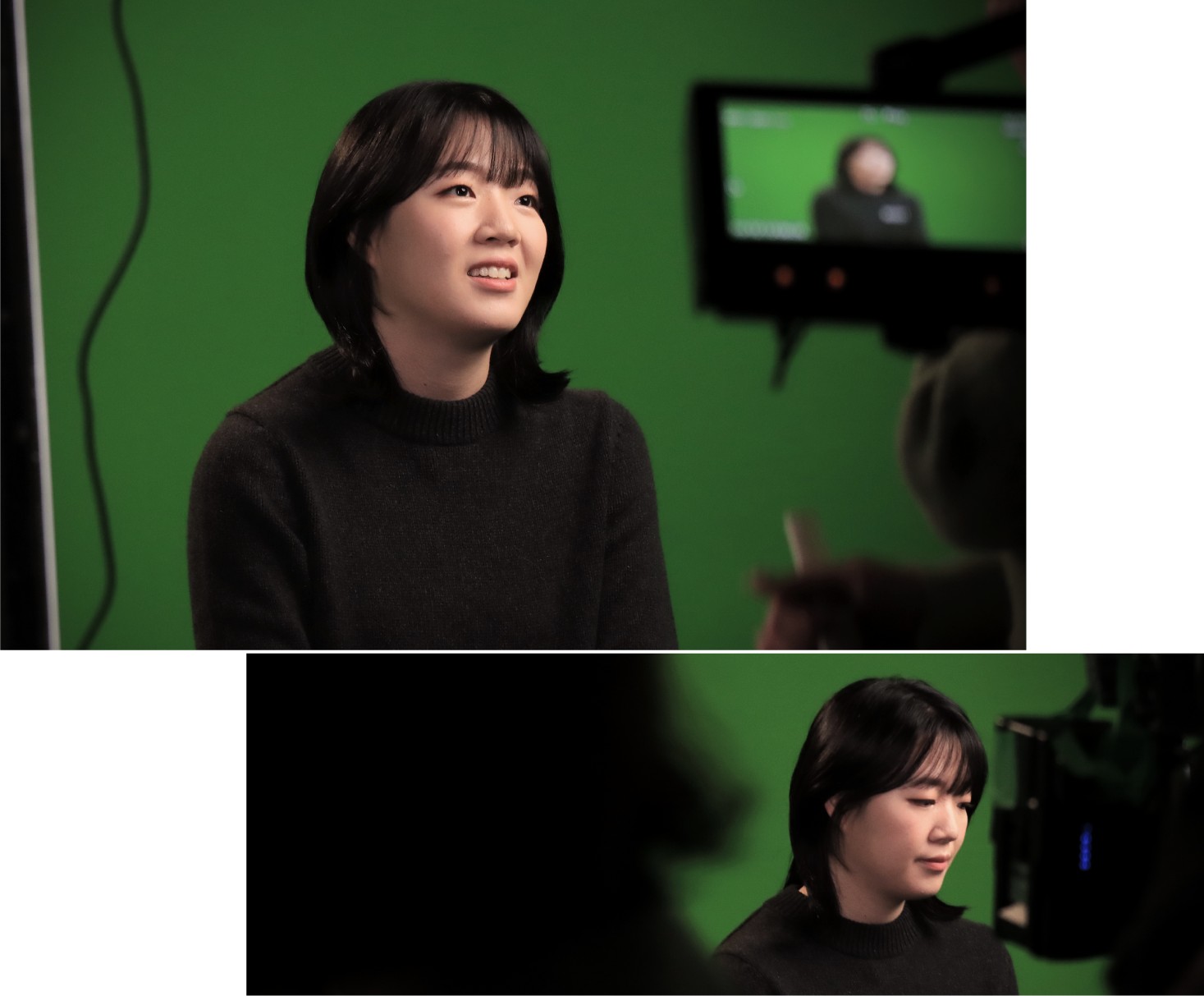
Similarities between studying brain science and designing services
I studied life science – neuroscience, to be exact. During my degree, I felt that life science is a discipline that focuses on in-depth studies of narrow topics. But I wanted to see how my work applied to peoples’ lives, and I wanted to receive immediate feedback. Then, in 2016, I went on an exchange program to Berlin, where I discovered my passion for arts and design.
After I returned to Korea, I was looking for a more design-related work when I came across the recruitment ad for the “1st NAVER Design Fellowship*.” I was lucky enough to be a part of that fellowship program, get an internship, and begin my career as a designer at NAVER FINANCIAL.
The process of designing a service resembles that of studying the human brain. You build a hypothesis based on existing knowledge, carry out an experiment to see if the hypothesis holds, get the results back and set another hypothesis – and you repeat this process. The process of designing a service is also quite similar. You ask questions that will help solve problems in reaching a certain goal, form a hypothesis, make a detailed design, then test it for user response. After that, you repeatedly analyze the outcomes and seek improvements. Like so, my background in neuroscience is proving very helpful in what I do now.
*NAVER Design Fellowship: NAVER’s design talent nurturing program held from 2017 to 2018
Relentlessly questioning its user-centricity
Ultimately, what is more important than your major is your perspective on things. I believe when people with different backgrounds come together, opportunities for new perspectives open up. This applies to NAVER, too – I believe we can make services that include a wider range of users when we have people with different perspectives.
I have a note stuck in one corner of my desk with the life motto of Inamori Kazuo, the Japanese entrepreneur that reads: “Is my motive virtuous, absent of any selfish desire?” It’s there to constantly remind and ask myself whether my designs are really user-focused.
I believe whether or not you have passion in what you do shows in how your work is received by the users. That is why I try to be thorough from start to end, to take care of how users perceive every aspect of the services I design. Going forward, I hope to become a designer that creates innovative experiences helpful to the users, and the world ●
▶︎ Click here for the full interview!
