



Could robots change the future of data centers?
Could robots change the future of data centers?
Why do data centers of the future need to be state-of-the-art, and why do we need to apply so many technologies to them? There are engineers tackling this very question with robotics, autonomous driving, and AI technologies. In this post, they explain the reason behind developing the robots and autonomous shuttles of the data center GAK Sejong.
Why robots are needed in the data center
The biggest reason is the rapidly growing demand for hyperscale AI. Not only does this require more computing power and data storage, but it also requires an innovation of the data center’s operational capabilities to support such demand.
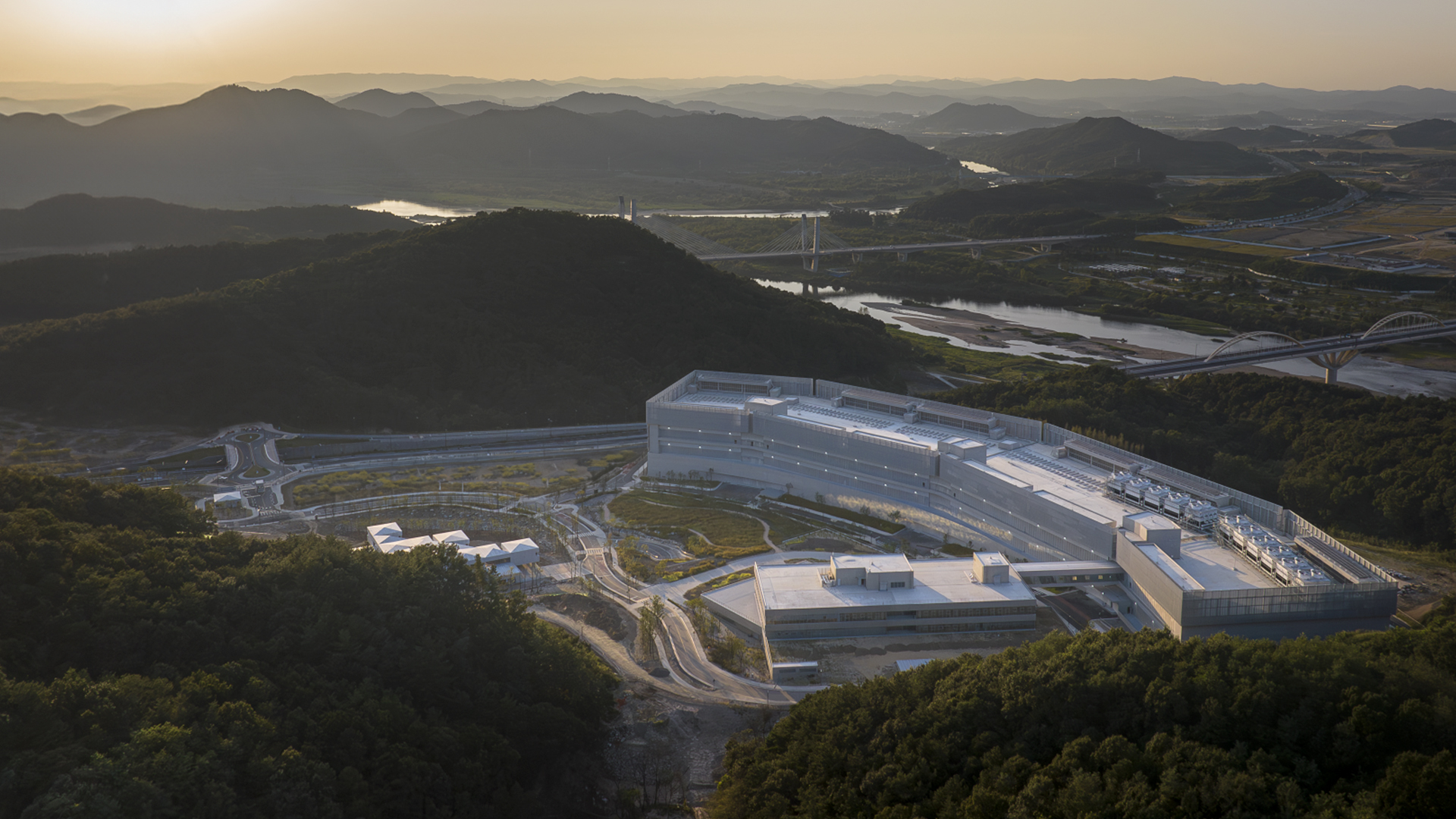
The data center GAK Sejong is a massive, hyperscale data center that can accommodate more than 600,000 units of servers. The site alone is 293,596 square meters, and a single round trip from the operation wing to the furthest server room is 0.85 kilometers. Conventional operation methods cannot cover such areas. Efficiency must be maximized, which is why we began thinking of data center automation.
Robots enable the easy transportation of high-performance assets weighing up to 400 kilograms across a vast space the size of 41 soccer fields, securely manage key assets - servers - in the IT warehouses, and allow human workers to move quickly and easily between buildings. The ability to integrate the flow of servers into one system, which allows real-time management, creates significant efficiencies both in the short run and even more in the long run. All of these records become valuable sources of data that can be used for mid/long-term data center planning. This means we can make data-driven predictions and decisions about optimal server replacement cycles or when to purchase new ones.
Over time, as the data center grows larger in size, the automation system and data-driven management will become more and more efficient and optimized. The data center itself will act like a giant robot that keeps getting upgrades.
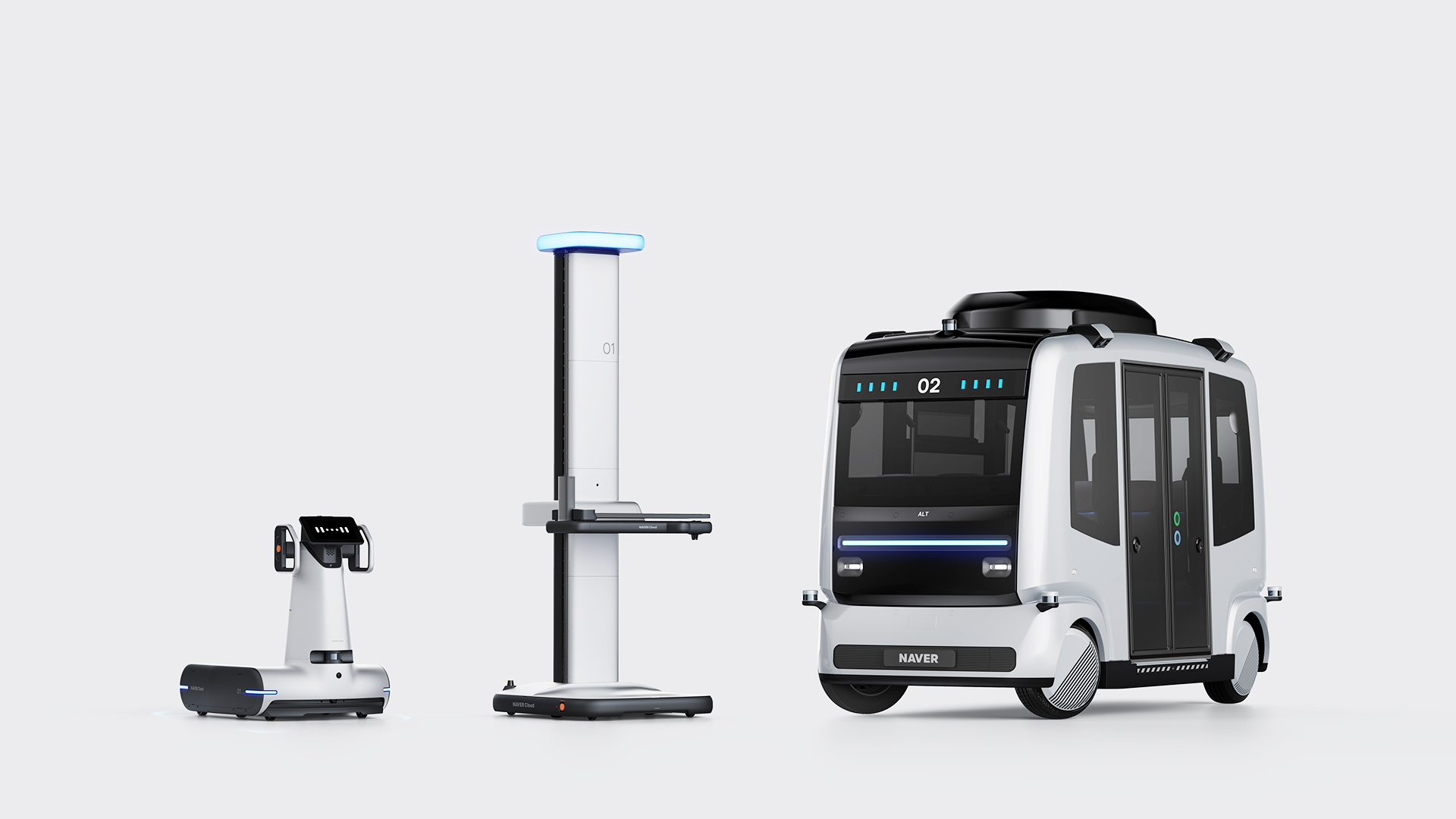
GaRo, SeRo, and ALT-B
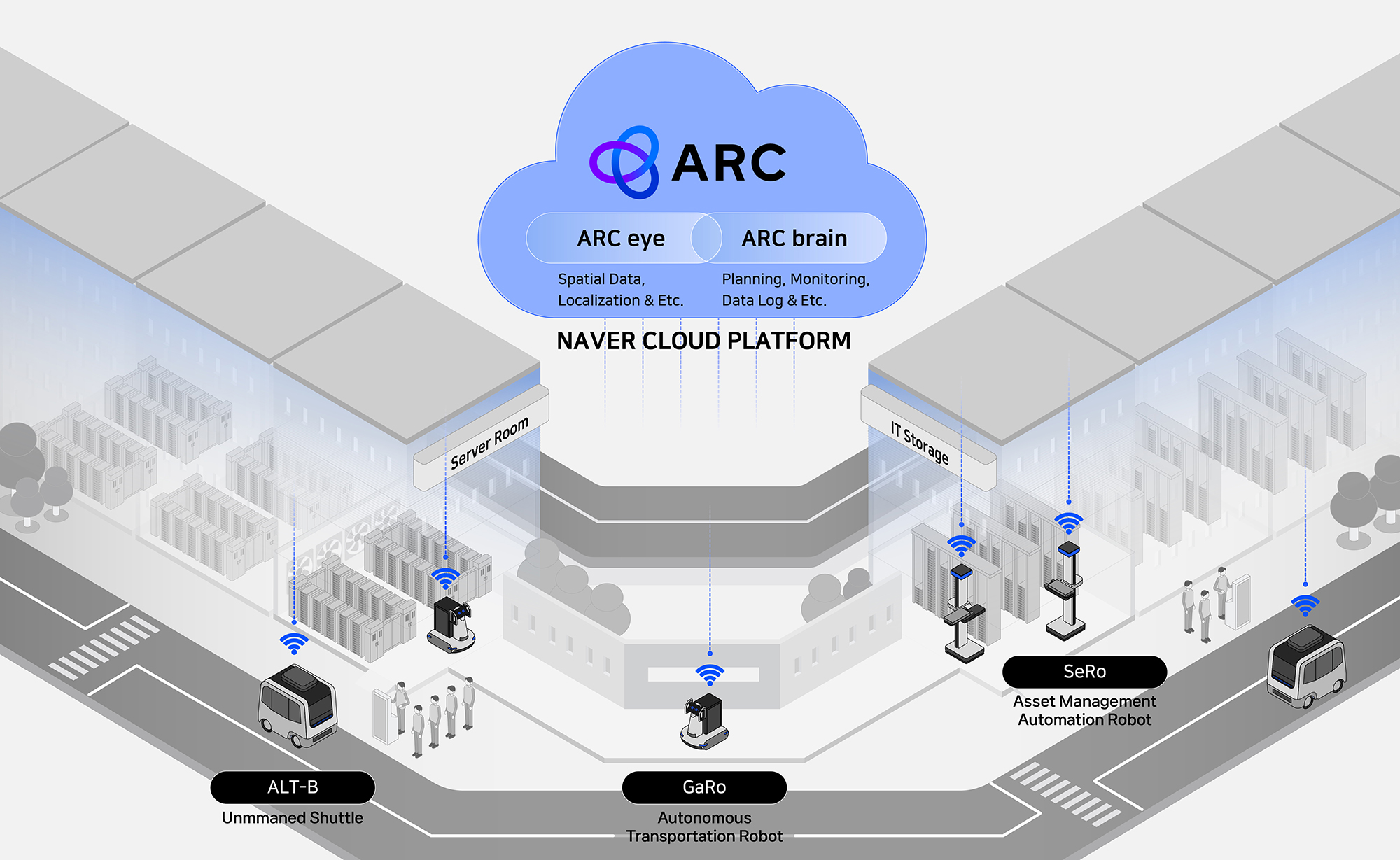
Our robots have four characteristics: first, they have to be able to withstand heavy loads. Therefore, they are designed to carry heavier loads compared to service robots that operate in our everyday spaces. Secondly, precision is critical as the robots handle servers – extremely valuable assets that should not be damaged. Thirdly, worker safety. We've achieved the challenging goal of being both efficient and safe at the same time. Finally, the ARC system. Our robots are all connected to ARC, a multi-robot intelligence system based on NAVER Cloud Platform, which contains all the latest algorithms and high-precision data needed for multiple robots. It accurately informs us of the robots’ current location and route, even in places where GPS is not available. The system also enables stable operation of the data center by taking over the planning and processing of robot movement and task execution. In particular, GAK Sejong clearly demonstrated the scalability of ARC's advantages by managing heterogeneous robots within one system.
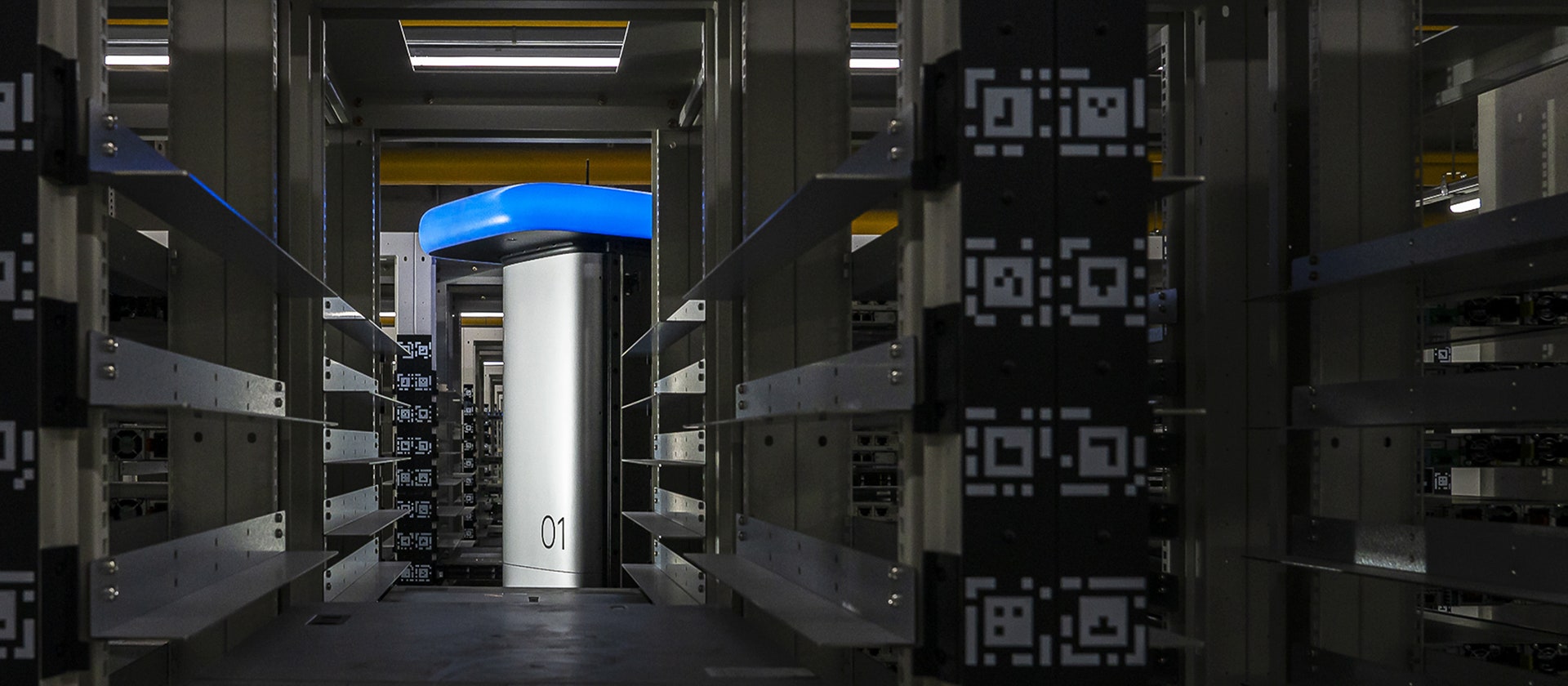
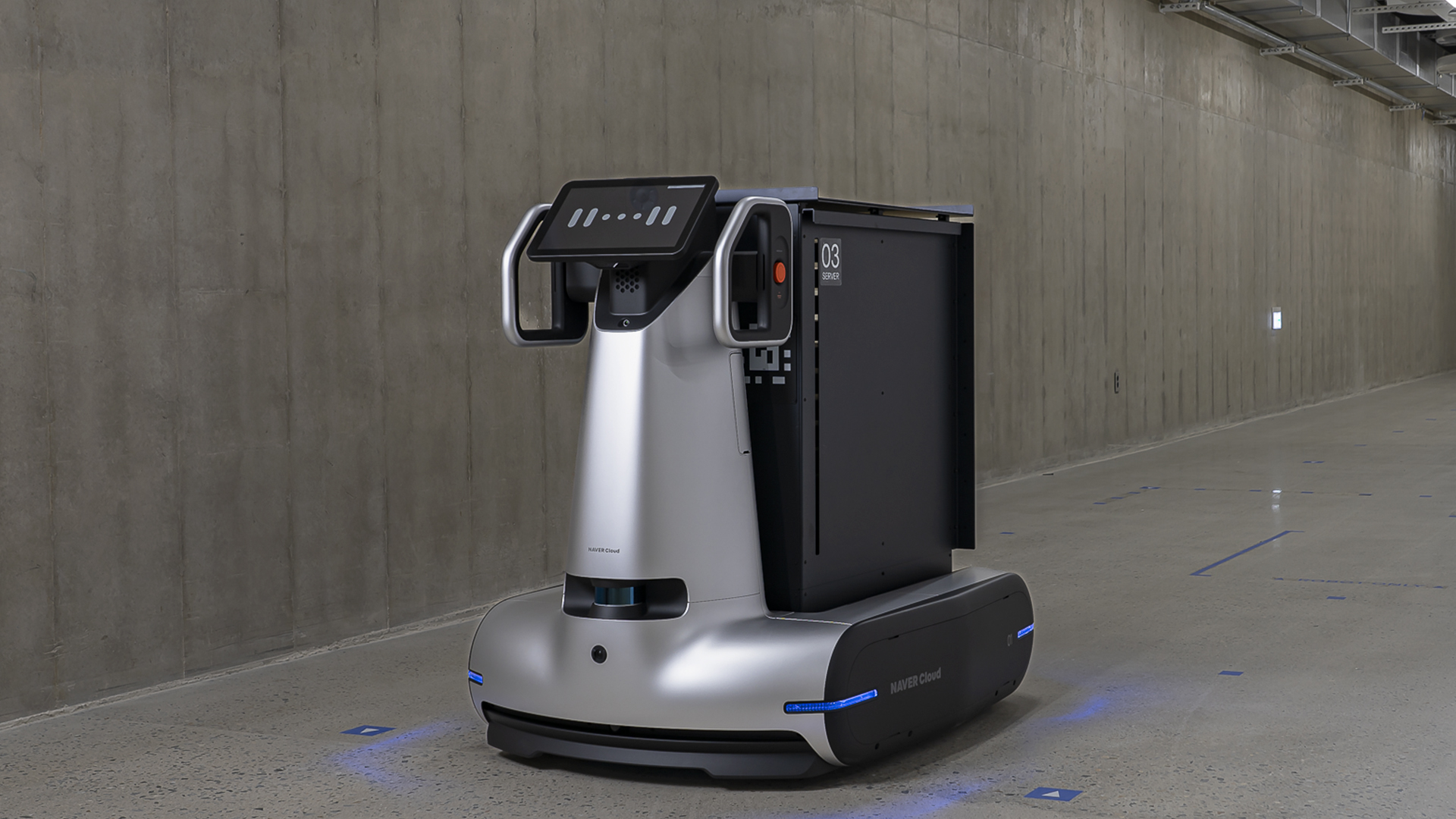
Now to our robots. GaRo is an autonomous transportation robot that moves heavy servers and assets around the data center. It can carry loads of up to 400 kilograms. Whereas robots in traditional warehouses moved in limited areas without human interaction, GaRo is aware of its surroundings. It adapts its speed and movement to the presence of pedestrians or the characteristics of a particular area. This autonomous driving technology is called predictable navigation. When free of people and obstacles, it moves at up to 2 m/s to maximize efficiency. Shifting from AMR mode to power-assist mode, applied with strength-enhancing robot technology, allows workers to manually maneuver the asset, making it lighter and safer to transport.
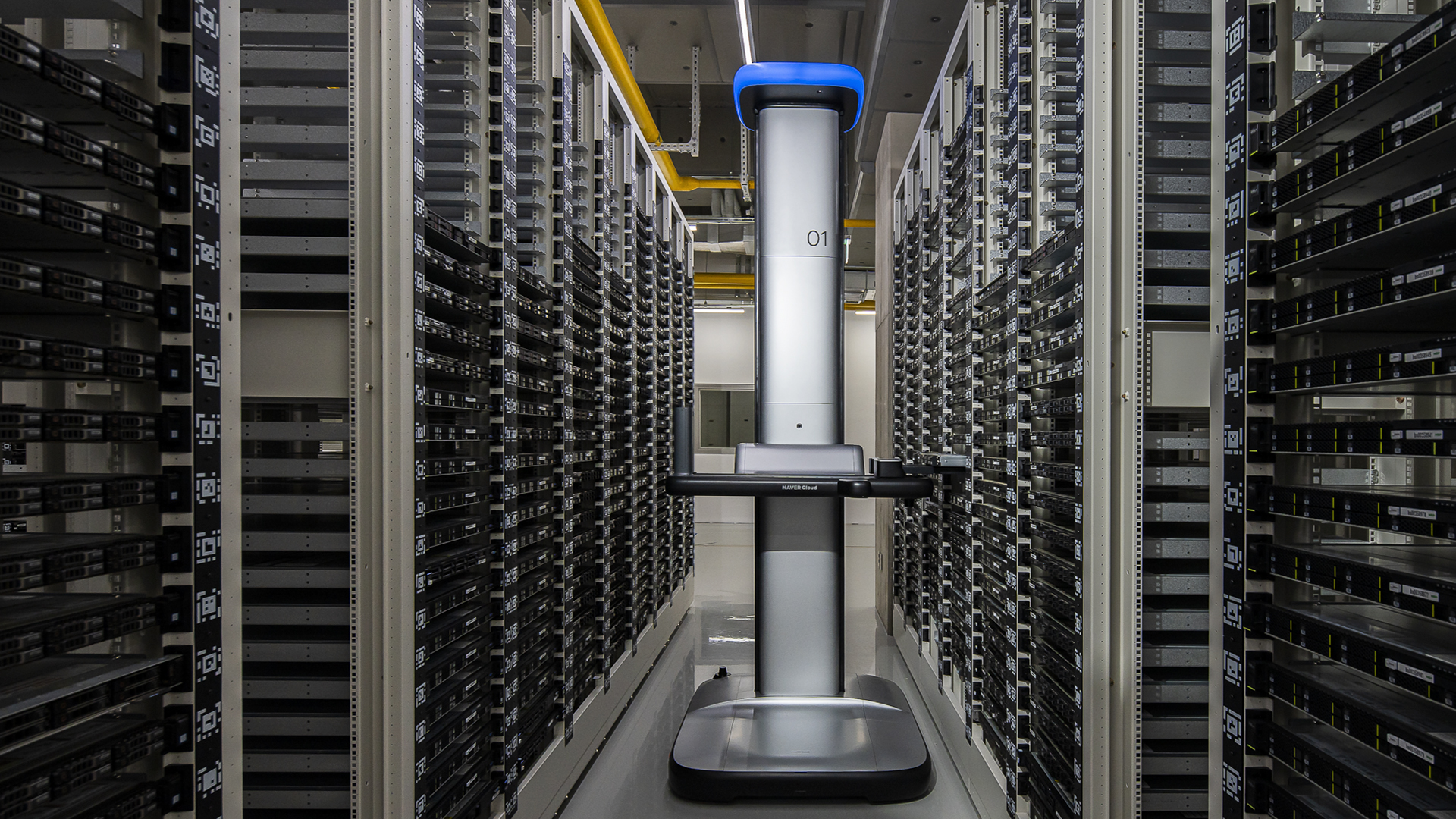
Assets brought into the IT warehouse by GaRo are received by SeRo. SeRo is an asset management automation robot developed to manage servers safely and efficiently. To increase the warehouse capacity, it is designed to store server assets on shelves up to 3 meters high. Without any human intervention, the robot performs tasks requiring a significant level of precision, using 2-5mm precision control. SeRo records the operational management history of all data entering and leaving the IT warehouse and updates this information to the service system. While SeRo collaborates with GaRo to exchange assets back and forth, it can also collaborate with humans. For worker safety, a special workbench separates the robot from the areas where human workers can enter. Named ROBOSTATION, the facility acts as an interface that allows efficient response to special situations when moving assets in/out of the warehouse, that may be difficult to respond to when relying solely on the automation between robots.
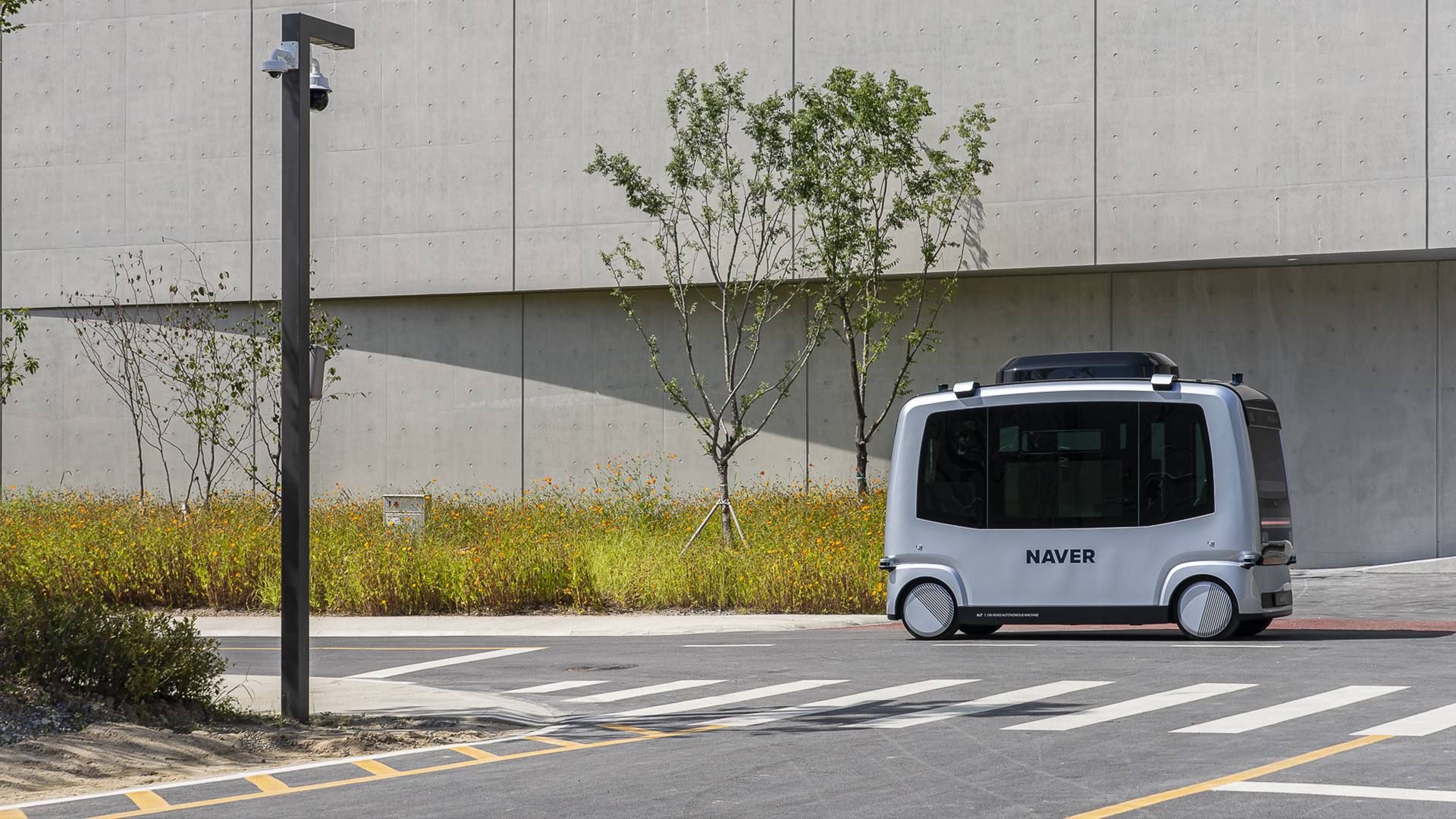
Outside, you'll find a driverless, autonomous shuttle called ALT-B. It connects the key hubs in the vast data center and helps workers move around comfortably and safely. It's a horizontal elevator, so to speak. The shuttle is equipped with NAVER's proprietary full-stack autonomous driving technology, and the kiosks installed at each station as well as the interior interface of the vehicle are designed for convenient use and intuitive information delivery.
Beyond 1784 and GAK Sejong, to smart cities
The future NAVER is creating with its technologies has started with 1784, the second headquarters. 1784 is where we demonstrated tech convergence for smart buildings. In GAK Sejong, we horizontally laid out the technologies from 1784 to a massive smart campus. The data center also acts as the outpost for smart city solutions. Here, new technologies converge to create synergies, data is accumulated to enable data-driven planning and decision-making, and optimized operating systems can be updated or expanded. Everything will become a new competitive advantage like never before.
The fundamental questions for engineers haven't changed much over time: is the innovation genuinely helpful, and is the change for the better? The robot automation systems built based on these questions have been applied in the data center and will begin operations soon.
